
68% of female runners have experienced street harassment in South Wales
Main article content
More than two thirds of female runners have experienced street harassment in South Wales, a survey run by South Wales Police has revealed.
South Wales Police surveyed more than 160 female runners from across South Wales and found that 68% (117) of them experienced some form of street harassment or abusive behaviour.
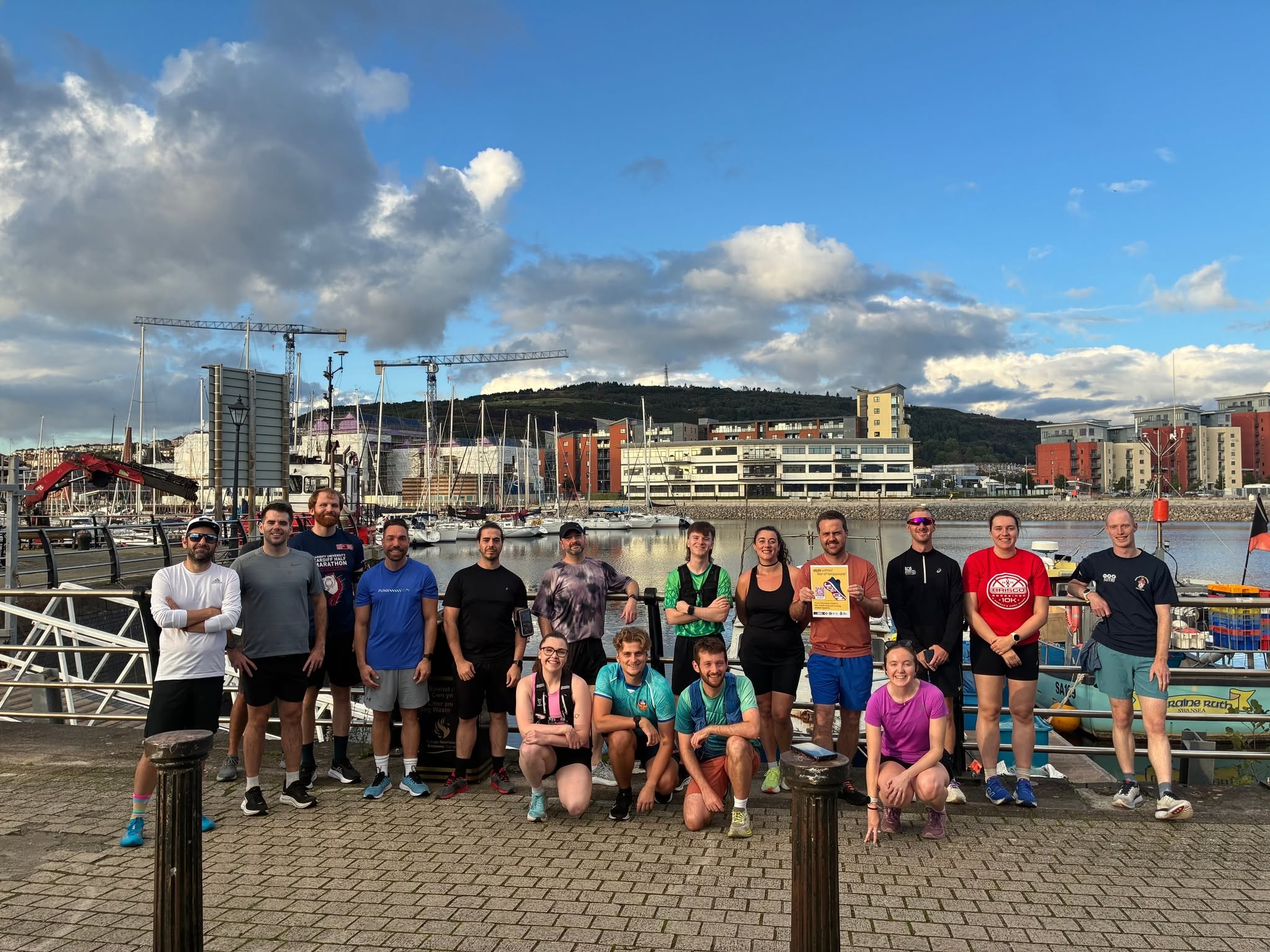
The most common forms of harassment were catcalling, sexual remarks, horn honking, cars slowing down beside them, wolf whistling, and, in some cases, physical or sexual assault.
These experiences affect how women feel when they run and force them to make changes when exercising outdoors. Some told us they avoid listening to music, change their route, only run during daylight, share their location with friends and family, wear clothing they feel will attract less attention and some no longer run alone.
To help tackle these issues, the force has partnered with the South Wales Police and Crime Commissioner to launch ‘JogOn’ which aims to clamp down on the harassment and abuse of female runners and joggers. It addresses the harassment female runners too often face, including catcalling, intimidation, and assaults.
As part of their patrols, neighbourhood teams will be visiting local communities via parkruns, running clubs and other initiatives which promote women’s safety within sport.
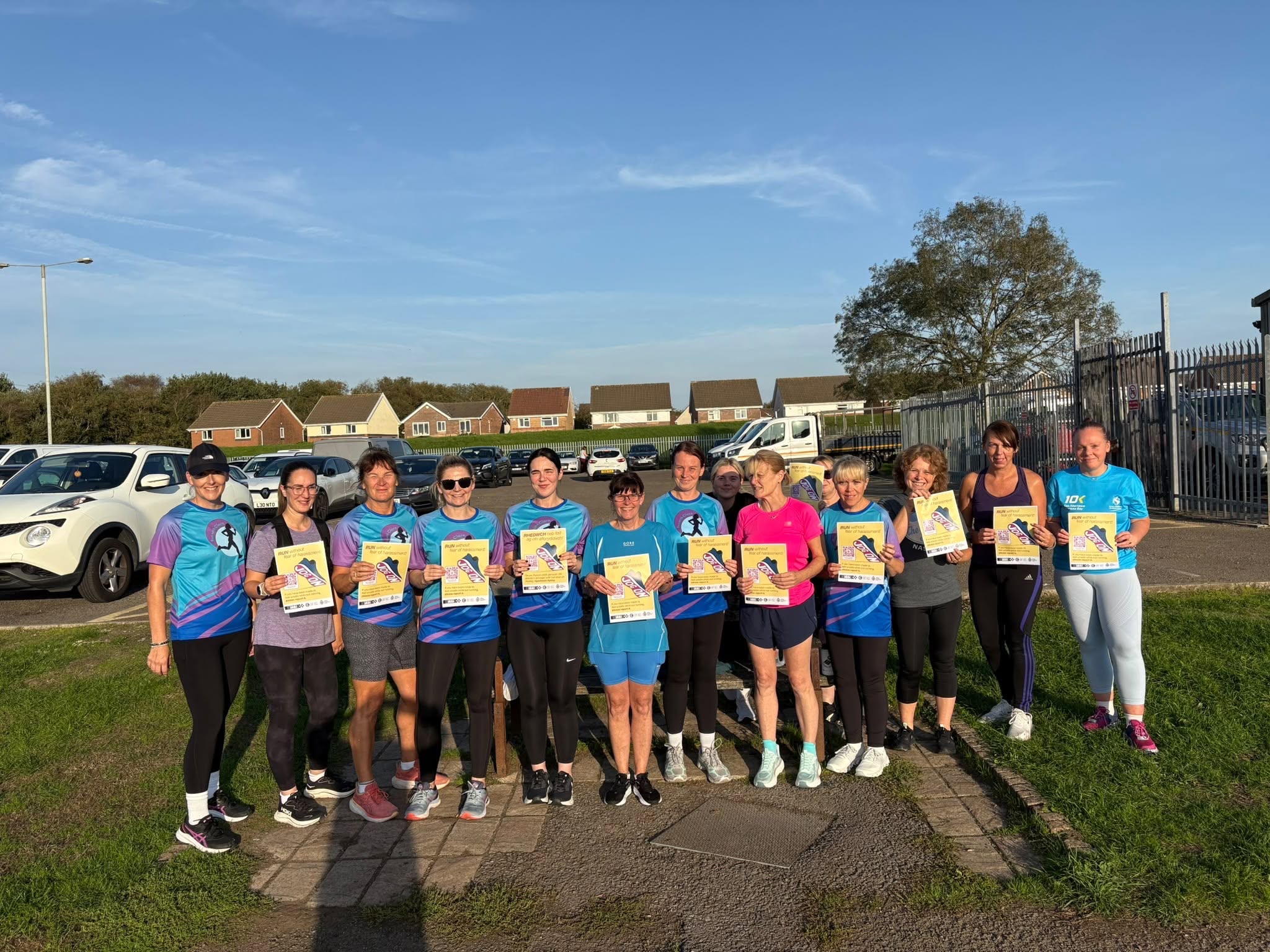
South Wales Police will be encouraging the recognition and reporting of incidents and speaking with runners to support them in being active upstanders to these behaviours.
Force lead for Violence Against Women and Girls Superintendent, Donna Llewellyn, said:
“Our message to perpetrators of street-based harassment is this: your actions will not be tolerated.
“For too long women have changed their behaviours to feel safe, but now the onus to change is on you. Misogynistic remarks and predatory behaviours are not acceptable within our communities.
“Catcalling is now a crime. You can now face a criminal record and up to two years in prison for harassing someone in public because of their sex.
“We will take it seriously and we will take action.”
South Wales Police and Crime Commissioner, Emma Wools, said:
“Supporting victims and vulnerable people and creating safer communities for everyone is a key priority in my Police, Crime and Justice Plan.
“Everyone has the right to feel safe and confident as they go about their daily lives. Intimidation, catcalling and assault have no place in our communities. No one should feel they have to tolerate harassment or believe that reporting it will not make a difference. We want people to understand that this behaviour is never acceptable and to feel empowered to report it, knowing they will be listened to, taken seriously and supported.
“That is why I am proud to have helped fund this important JogOn campaign, which aims to raise awareness, encourage reporting and send a clear message that this behaviour will not be tolerated.
“By working together, we can challenge unacceptable behaviour, support those affected, and help build a safe, just and inclusive South Wales.”
If you experience any form of harassment, please contact us via:
- Online: Report online
- Phone: 101
If you are in immediate danger, always call 999
If you do not wish to speak to police, you can also call independent charity Crimestoppers anonymously online or by phone on 0800 555 111.